The Role of Luck in Gambling
Luck often stands out as the primary factor when individuals think about gambling. The excitement of a game, the anticipation of a win, and the joy of hitting a jackpot are intrinsically linked to the concept of luck. However, while luck undeniably influences outcomes in games such as slots, roulette, and even card games, it is essential to investigate how skill and strategy also shape these results. For instance, players might explore options at https://herbiefroggmenswear.co.uk/ to enhance their understanding of the strategies needed. A player who relies exclusively on luck may find themselves disappointed and facing losses in the long run.
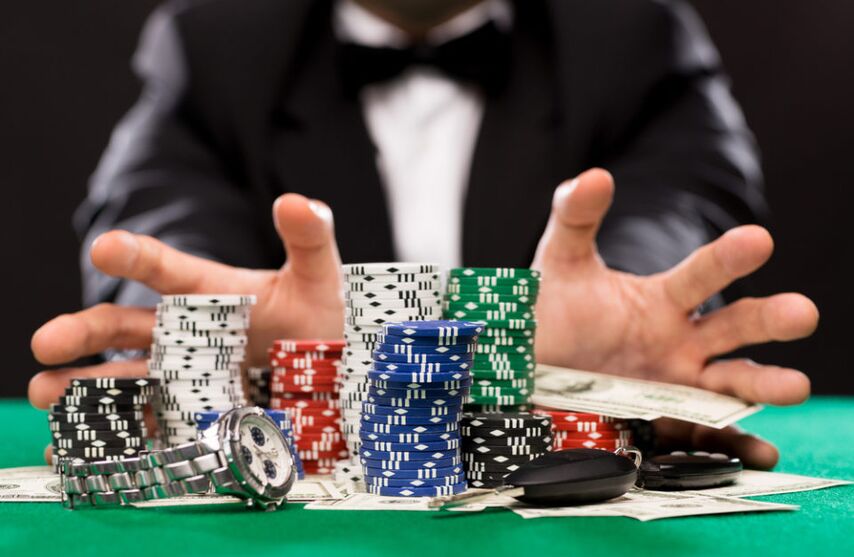
Many gamblers enter casinos with the belief that fortune will dictate their fate, but experienced players understand that strategic gameplay can significantly affect their results. For example, in games like poker or blackjack, players can implement tactics that leverage their knowledge of the game and their competition. This combination of skill and luck often dictates the success of a player, contradicting the assumption that luck is the sole determinant of outcomes.
Additionally, the psychological aspect of luck cannot be overlooked. Gamblers often perceive themselves as being on a lucky streak, which can influence their betting behavior and risk appetite. This phenomenon, known as the ‘gambler’s fallacy,’ can lead players to misinterpret probabilities and make irrational decisions. By recognizing that luck is merely one part of the gambling equation, players can make more informed choices and maintain realistic expectations about their gaming experiences.
Understanding Casino Odds and House Edge
Every game in a casino comes with a built-in mathematical advantage known as the house edge, a vital concept for grasping how casinos remain profitable. The house edge varies from game to game; some offer players better odds than others. For instance, while slot machines may present a higher house edge, games like blackjack provide opportunities for players to implement strategies that can lower that edge through optimal play. Understanding these odds is crucial for anyone looking to navigate the casino landscape effectively.
Armed with knowledge about casino odds, players can make more informed choices regarding which games to engage in and how to manage their gambling sessions. A player who opts for games with a lower house edge and applies effective strategies stands a better chance of enjoying a positive experience, thereby increasing their likelihood of walking away a winner. Awareness of the inherent risks associated with each game empowers players to gamble responsibly and make choices that align with their individual skill levels.
Moreover, the importance of bankroll management cannot be overstated. Players who maintain awareness of their financial limits and stick to a strict budget are far more likely to have an enjoyable experience at the casino. This strategic approach allows for a more sustainable gambling experience, blending an understanding of the house edge with personal financial responsibility. Hence, players who acknowledge the interconnectedness of luck, strategy, and responsible spending are better equipped to achieve success in the casino environment.
The Importance of Skill and Strategy
In many casino games, skill and strategy emerge as pivotal factors that can heavily influence outcomes. Take poker, for example. Unlike games that rely purely on luck, poker interweaves elements of chance with an understanding of psychology, strategy, and probability. Skilled players can analyze the odds, read their opponents, and make calculated bets that lead to consistent wins over time. Thus, mastering poker’s intricacies can significantly enhance a player’s chances of success, moving beyond the realm of luck.
Similarly, games like blackjack present players with opportunities to mitigate the house edge through various strategies such as card counting and utilizing basic strategy charts. These methods empower players to make informed decisions based on historical probabilities rather than relying solely on luck. Players who invest the time to learn and practice these strategies often discover that they can achieve better outcomes than those who gamble impulsively without a clear plan.
The combination of skill and strategy extends to other casino games, including baccarat and sports betting, where players can analyze past outcomes and develop informed strategies. This understanding fosters a more engaging gambling experience, transforming what many perceive as mere luck-driven games into challenges that require critical thinking and tactical execution. The success stories of skilled players serve as a testament that luck constitutes only a small part of a far more intricate equation.
The Psychological Aspect of Gambling
The psychological dynamics surrounding gambling play a crucial, yet frequently underestimated, role in the overall casino experience. Players often approach games with a mix of emotions, including excitement, anxiety, and hope. These feelings can significantly impact their betting behavior and decision-making. For example, the thrill of a potential win might lead to riskier bets, while a series of losses could drive a player to chase their losses in unwise ways. Understanding these emotions can help players navigate the often-turbulent casino landscape more effectively.
Cognitive biases also come into play, affecting how players perceive luck and outcomes. Many gamblers might mistakenly assume that recent results will influence future outcomes, falling victim to the gambler’s fallacy. This leads them to make emotionally driven bets rather than decisions rooted in sound strategy. By acknowledging these psychological triggers, players can adopt a more rational approach, helping them to better differentiate between luck and skill in their gambling experience.
Moreover, cultivating mindfulness and self-awareness can enhance a player’s ability to manage their gambling experience. By recognizing their emotional responses and psychological triggers, individuals can make more logical decisions during high-pressure moments. Techniques such as setting win/loss limits and taking breaks can help players regulate their emotions and maintain a balanced approach to gambling. The capacity to control one’s psychological responses reinforces the understanding that luck is only one aspect of the gambling equation, emphasizing the value of self-awareness in achieving success.
Exploring Our Website for More Insights
For those seeking to deepen their understanding of the casino experience, our website serves as an invaluable resource. We offer a wide range of articles, expert analyses, and practical tips that delve into the complex interplay between luck, strategy, and responsible gambling. Whether you are just starting or have years of experience, our content is designed to cater to various skill levels, enabling you to enhance your gaming experience.
Our mission is to demystify the complexities of casino games, empowering players to make informed choices. We investigate different games, strategies, and the psychological aspects of gambling, providing a comprehensive resource for anyone looking to navigate the casino landscape with confidence. By equipping yourself with knowledge, you can reduce your dependency on luck and prioritize the development of your skills.
We encourage you to visit our website regularly to stay updated on the latest trends and insights in the world of casino gaming. Engaging with our content not only enhances your understanding but also transforms your approach to gambling, ensuring that your experiences in a casino environment are informed, enjoyable, and ultimately rewarding.